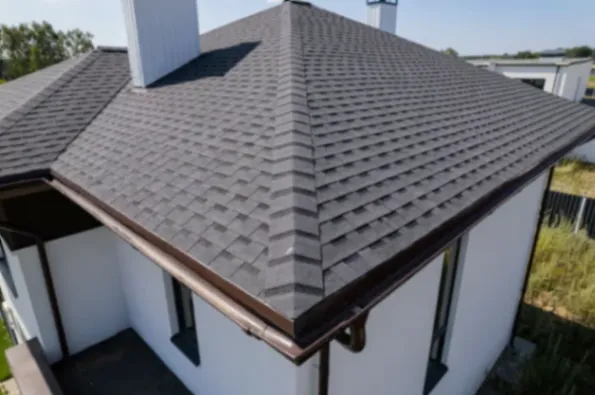
The Ultimate Guide to Roofing Installation
Roofing installation is a crucial aspect of home improvement that not only enhances the aesthetic appeal of your house but also protects it from harsh weather conditions. This comprehensive guide will take you through everything you need to know about roofing installation, from selecting the right materials to understanding the installation process.
Understanding Roofing Materials
Choosing the right roofing material is essential for ensuring durability and aesthetic appeal. Here are some common roofing materials:
- Asphalt Shingles
- Metal Roofing
- Clay Tiles
- Slate
- Wood Shingles
- Synthetic Roofing
Each material has its own benefits and drawbacks, making it important to consider factors like climate, budget, and maintenance when making your selection.
Preparing for Roofing Installation
Before the installation process begins, proper preparation is critical. Here are some steps to follow:
- Schedule a roofing inspection to assess the current condition.
- Obtain necessary permits from local authorities.
- Choose a reliable roofing contractor.
- Prepare the area by removing obstacles around the home.
Choosing the Right Contractor
Selecting a qualified roofing contractor can significantly impact the quality of the installation. Look for the following:
- Licensing and insurance
- Positive customer reviews
- Experience in your specific roofing type
- Written estimates and contracts
The Roofing Installation Process
Once you have prepared adequately and selected a contractor, the installation process begins. Here are the typical steps involved:
- Removal of the old roofing material.
- Inspection of the roof deck for damage.
- Installation of underlayment for moisture protection.
- Laying down the new roofing material.
- Installation of flashing to direct water away.
- Final inspections and clean-up.
Post-Installation Care
After installation, it’s essential to maintain your new roof to prolong its lifespan. Here are some maintenance tips:
- Regularly inspect for damage or wear.
- Clean gutters and downspouts to prevent water pooling.
- Trim overhanging branches to avoid damage.
- Schedule periodic professional inspections.
Common Roofing Problems
Even with proper installation and maintenance, issues may arise. Here are some common roofing problems to watch for:
- Leaks due to poor installation or material failure.
- Ponding water on flat roofs.
- Lifting shingles from wind damage.
- Inadequate ventilation leading to trapped heat and moisture.
When to Call a Professional
If you notice any of the above problems or if your roof is aging, it’s best to consult a professional. They can provide expert advice and necessary repairs.
Conclusion
Roofing installation is a significant investment in your home’s safety and appearance. By understanding the materials, preparation, and installation process, you can ensure a successful roofing project. Remember, regular maintenance and timely repairs can extend the life of your roof, protecting your home for years to come.